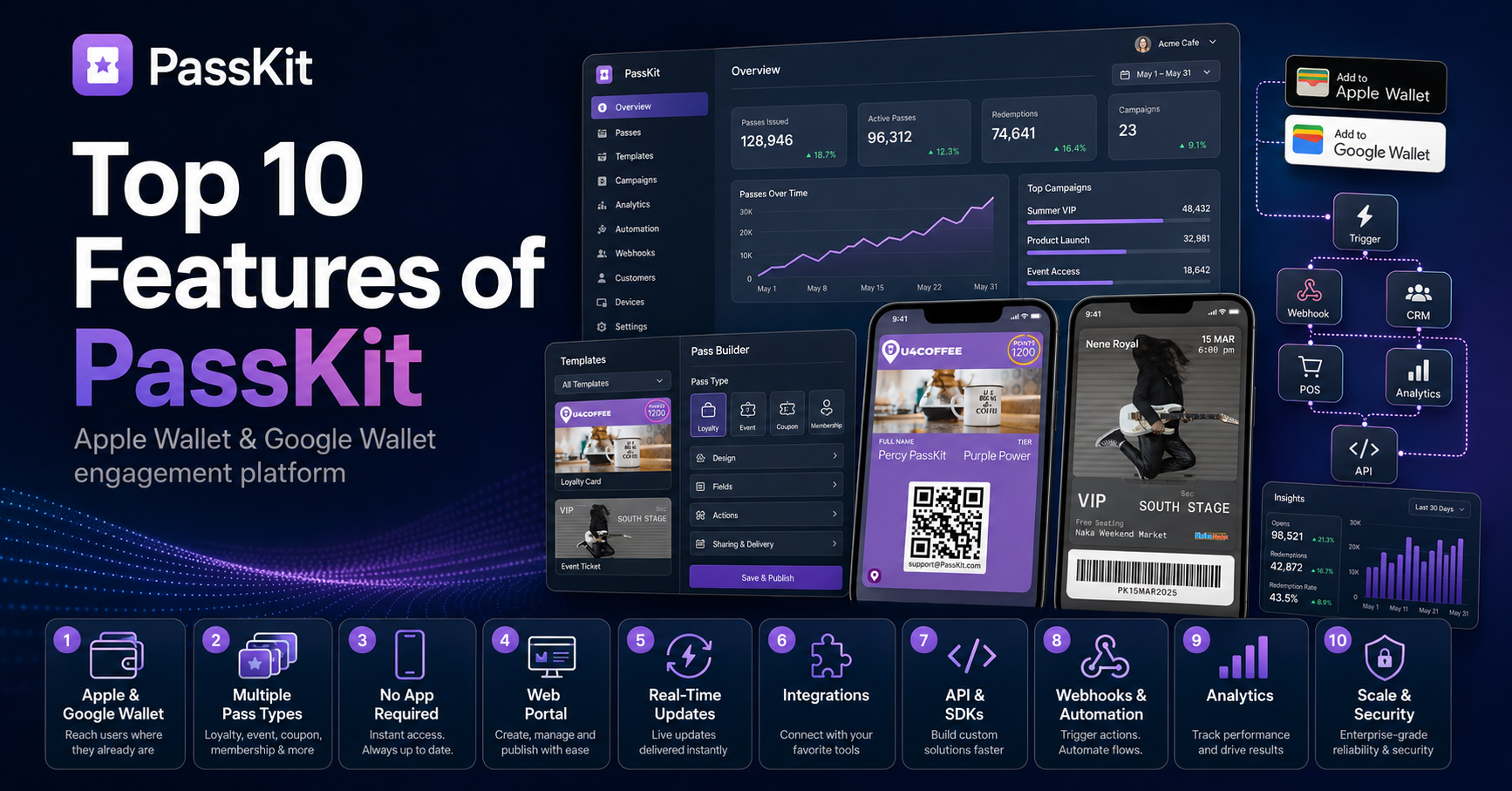
Digital wallet passes are transforming the way we manage and access everyday essentials like tickets, coupons, loyalty cards, and even identification. These passes, stored on smartphones or smartwatches, provide a convenient, secure, and paperless alternative to traditional physical cards and documents. As digital wallets become more ingrained in our daily lives, two major platforms, Apple Wallet and Google Wallet, are leading the way, each offering unique features and experiences.
What Are Digital Wallet Passes?
Digital wallet passes are virtual representations of items you would typically carry in your physical wallet. These include boarding passes for flights, event tickets, loyalty and rewards cards, gift cards, and even some forms of identification like student IDs or vaccine records. They are accessible via your smartphone, allowing you to present them simply by tapping or scanning your device.
The primary advantage of digital wallet passes is convenience. Instead of fumbling through a physical wallet or bag to find the right card or ticket, everything is stored neatly in one place on your device. Additionally, digital passes often come with real-time updates, such as changes to a flight’s departure time or a notification when a reward is about to expire.
Security is another key benefit. Digital wallet passes are typically protected by the security features of your device, such as biometric authentication (fingerprint or facial recognition) or passcodes. This means your passes are less likely to be lost, stolen, or tampered with compared to physical items.
Apple Wallet vs. Google Wallet: A Tale of Two Platforms
Apple Wallet and Google Wallet are the two dominant players in the digital wallet space, each with its approach to managing digital passes.
Apple Wallet is tightly integrated into Apple’s ecosystem, available on iPhones, Apple Watches, and iPads. Users can store a wide variety of passes in Apple Wallet, including boarding passes, event tickets, and loyalty cards. One of the standout features of Apple Wallet is its seamless integration with Apple Pay, allowing users to make payments and store their digital passes in the same app.
Apple Wallet excels in its user experience, offering a clean and intuitive interface. It supports features like location-based notifications, which prompt users to use a stored pass when they are near the relevant location (e.g., an airport for a boarding pass). Apple Wallet also supports “Express Mode” for certain passes, allowing users to access them without unlocking their device, which is particularly useful for transit cards.
Google Wallet, on the other hand, offers a more open and versatile platform. Available on Android devices, Google Wallet allows users to store similar types of digital passes—boarding passes, tickets, loyalty cards—but with a few differences in functionality. Google Wallet is integrated with Google Pay, Google’s payment service, but it also provides a broader range of integrations with third-party apps and services.
One of Google Wallet’s strengths is its compatibility across different platforms and devices, including wearables like smartwatches. Google Wallet also benefits from Google’s extensive ecosystem, offering features like integration with Gmail. For example, if you receive a flight confirmation email, Google Wallet can automatically suggest adding the boarding pass to your wallet.
Another feature that sets Google Wallet apart is its focus on global accessibility. Google Wallet is designed to work in a wider range of countries and supports various transit systems and payment networks globally, making it a more flexible option for international users.
Conclusion
Digital wallet passes are reshaping how we carry and manage essential items in our everyday lives, providing a convenient, secure, and efficient alternative to physical cards and documents. While Apple Wallet and Google Wallet offer similar core functionalities, they cater to different user preferences and ecosystems. Apple Wallet shines with its deep integration within the Apple ecosystem and user-friendly features, while Google Wallet stands out with its openness, versatility, and global reach. As digital wallets continue to evolve, both platforms are likely to introduce even more innovative features, further enhancing the user experience.