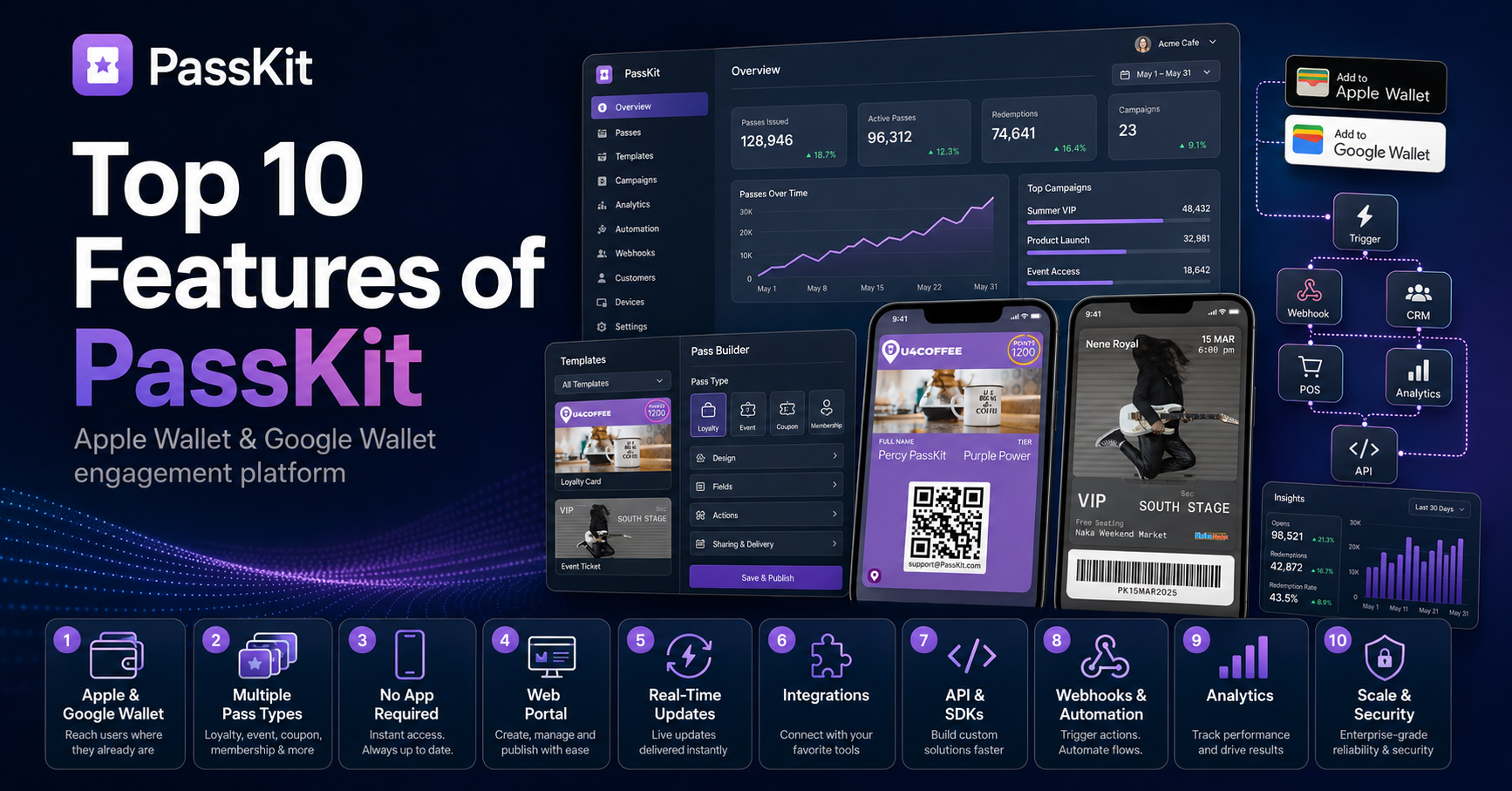
In today’s rapidly evolving digital landscape, businesses are increasingly turning to innovative solutions that not only improve customer experience but also align with their sustainability goals. The digital passes industry is a prime example of how technology can drive environmental progress. By replacing traditional paper-based systems with digital alternatives, companies can significantly reduce their environmental footprint while simultaneously enhancing operational efficiency. This article explores the environmental benefits of digital passes and how their adoption is contributing to broader sustainability efforts.
The Environmental Impact of Traditional Paper Passes
Traditional paper passes, whether they are event tickets, loyalty cards, or boarding passes, have long been a staple in various industries. However, the environmental costs associated with paper passes are considerable. The production of paper requires large quantities of water, energy, and raw materials, contributing to deforestation and pollution. Additionally, the printing process involves the use of inks and chemicals, which can further harm the environment.
Once produced, paper passes contribute to waste. Many of these passes are used only once and then discarded, leading to a significant accumulation of waste in landfills. In a world where environmental sustainability is becoming a critical concern, the inefficiencies of paper-based systems are increasingly being recognized as unsustainable.
The Rise of Digital Passes
Digital passes offer a compelling alternative to their paper counterparts, addressing many of the environmental issues associated with traditional passes. Digital passes are stored and accessed electronically, typically via smartphones or other digital devices, eliminating the need for physical materials altogether. This shift from paper to digital significantly reduces the demand for raw materials, energy, and water, which are integral to paper production.
Moreover, digital passes are reusable and can be easily updated or modified without the need for reprinting. This adaptability not only reduces waste but also allows businesses to be more agile and responsive to changing circumstances, such as updating event details or modifying loyalty program terms.
Reducing Waste and Promoting Sustainability
One of the most immediate environmental benefits of digital passes is the reduction in waste. By eliminating the need for single-use paper passes, companies can significantly cut down on the volume of waste generated. This reduction in waste contributes to less strain on landfills and decreases the overall environmental impact of the pass-issuing process.
Additionally, digital passes support broader sustainability initiatives by promoting the use of renewable energy sources. For instance, many digital systems are hosted on cloud platforms that are increasingly powered by renewable energy. This shift not only reduces the carbon footprint associated with the operation of digital pass systems but also aligns with global efforts to transition to a more sustainable energy infrastructure.
Supporting Green Business Practices
Beyond the direct environmental benefits, the adoption of digital passes also supports broader green business practices. By embracing digital solutions, companies can enhance their reputation as environmentally conscious organizations. This can be particularly valuable in today’s market, where consumers are increasingly prioritizing sustainability when making purchasing decisions.
Moreover, digital passes can be integrated with other eco-friendly initiatives. For example, businesses can use digital passes to promote green practices among their customers, such as offering rewards for using public transportation or participating in recycling programs. This not only encourages more sustainable behavior but also fosters a stronger connection between the business and its environmentally conscious customers.
Conclusion
The digital passes industry represents a significant step forward in the quest for sustainability. By replacing traditional paper-based systems with digital alternatives, companies can dramatically reduce their environmental impact, promote green practices, and align themselves with the growing demand for eco-friendly solutions. As more businesses embrace digital passes, the cumulative effect on environmental sustainability could be profound, contributing to a greener, more sustainable future for all.